


Reports | 25 05 2020
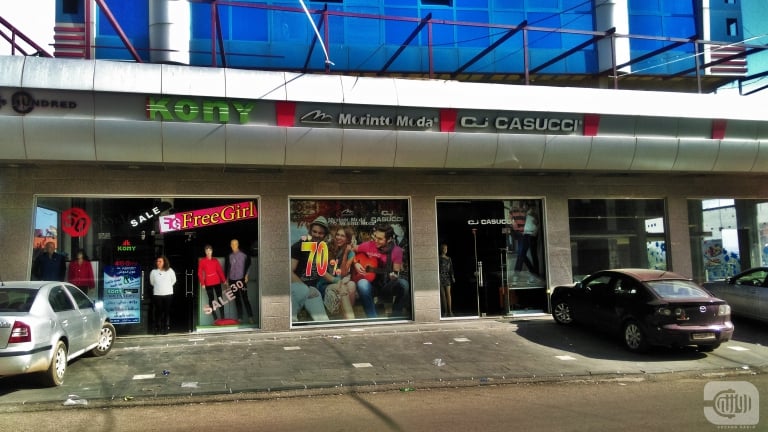
“500 Syrian pounds is not enough anymore. It seems that bribes in this country should be connected to the exchange rate of the US dollar,” said Nermin, a women’s clothing shop owner in Safita, complaining about the bribes she pays to the Syrian regime’s customs officials.
“2,000 Syrian pounds used to be enough to keep the customs officers away from me and my shop for more than six months. Today I have to pay them at least 10,000 Syrian pounds,” she told Rozana.
The interview with Nerminetranspired after the Syrian regime’s customsadministration had launched a campaign in the areas under its control last month, searching for smuggled goods.The campaign covered rural areas in Homs and Tartous, such as Wadi al-Nasara, Safita, and Mashta al-Helu.
Hassan, the owner of a convenience store, said that these campaigns “do not make any sense, especially in the current war that the country is going through. The customs officers asked me to get a customs declaration for all the imported goods that I have in my shop, which means that the prices will increase, and people cannot afford any higher prices.”
Ilias, on the other hand, believes that such campaigns are very much needed, and that they help customers and the Syrian economy.

Different Forms of Bribes
Many people have recently had their imported goods and machines confiscated at the borders, and they have not been able to get them back. Therefore, for 50,000 Syrian pounds, Tawfiq hired two customs officers to escort him and his equipmentin an official car throughout the trip on the Homs-Tartus road in western, rural Homs, so that none of the officers at the many customs checkpoints on the road would harasses them.
“The equipment I transported is all legal, because I simply bought it from within the country. However, these days, the officers at the customs checkpoints harass people for no reason. Many of those who had had their goods confiscated obtained themlegally. For this reason, I did not want to take the risk of losing my equipment,” he said. “In other words, I bribed them preemptively,” he added.
Bribes in Syria take many other shapes, and they can be as simple as some sweets or a breakfast invitation. The officers ask for a bribe whether people’s goods have entered the country legally or not.
On his way back from Safita to Wadi al-Nasara, Ghassan was stopped at a checkpoint. “After they searched my car and made sure that I was not carrying any smuggled goods, the officers at the checkpoint asked for money to buy breakfast. When I took 2,000 Syrian pounds out of my pocket, they acted outraged. They said that 2,000 Syrian pounds are not enough to buy anything, so I had to give them 5,000 Syrian pounds,” he said.
Bullets Instead of Bribes
The biggest campaign took place in Wadi al-Nasara in rural Homs, which has witnessed many violent encounters between the customs officers and the people who refuse pay bribes. One time, for example, customs officers fined the owner of Saad clothing shop in Marmarita a huge amount of money. The owner contacted members in the Syrian Social Nationalist Party (SSNP), asking for protection. When they arrived, they fought with the customs officers, and shot at them, which led the officers to threaten to use hand grenades. Eventually, people were able to intervene, and they escorted the customs officers out of the town. The situation was contained because of the owner’s connections in the Customs Department in Homs.

What About the Border?
According to a young man who travels frequently between Syria and Lebanon through the smuggling roots, “there are officers at the borders who specialize in taking care of the smuggling business. This is what they do, and if one of them cannot do it for some reason, another one will,” he said. “I, myself, witnessed loading trucks passing the borders and not stopping at the checkpoints at all. It is simple. They pay, and no one stops them,” he added.
Alaa, from al-Msheirfeh, a border town in the Province of Homs, also points out that the smugglers have strong connections with the customs officers. “Gas, oil, and other goods, including weapons and explosives are smuggled through the borders. This is not strange at all. Such deals happen at the main border crossing points, so it makes sense that they happen here too,” he added.
While the customs department mayconfiscate smuggled goods from the market, it seems that it allows smugglers to bring whatever they want in to the country, for the right price anyway.