


Reports | 25 05 2020
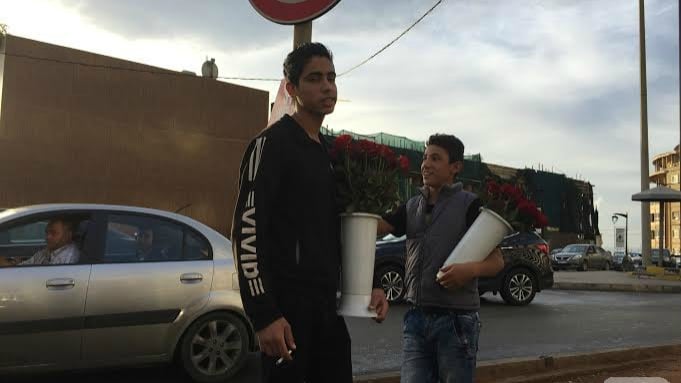
Some Syrians in Lebanon resorted to begging in the streets of the capital city of Beirut to earn their daily bread, while some others turned to be street dwellers, Others became street vendors selling simple stuff like roses, many of them face embarrassing, and sometimes humiliating, situations with passers- by, but they have to do this because of their difficult circumstances
Stories from the street
Um Muhammed fled to Lebanon, when her house was demolished under the Syrian regime shelling. She tried to find a job in Lebanon, but failed.
"I could not get another certificate instead of the one I used to work with in Syria" Um Muhammed says, "no one had consideration for my circumstances, neither charities, nor the UNHCR nor the Lebanese state. No one provided anything or asked about my needs."
"I had to sell roses and tissues in the street to afford living in such a high cost of living" Um Muhammad adds, "though this is humiliating—something we haven’t experienced in Syria, even under war and bombardment".
Like Um Muhammad, Um Ramadan has been wandering Hamra Street in Beirut for three years selling roses to sustain a life for her children.
"I have eight children, all below the age of 16. They have only got to school this year. Their father is the only breadwinner, but there are too many expenses that don't allow us to quit selling roses".
Um Ramadan did not hide facing a lot of harassment: "we have been offended by people's words. We spend half the time watching the place to avoid arrest or being taken to police stations and paying a fine there. I wish I can communicate my suffering to a messenger. We are fed up with the streets and people" confirms the lady.

?What does the UNHCR have to say
Stability is a dream for most of the Syrians Rozana met in the streets of Beirut, like Um Wael who wonders about relevant authorities and international organizations.
"Where shall we go? What shall we do?" Says Um Wael "Is there an exit from this humiliation? The UNHCR refused to help me with the house rent or by allocating a salary for me. I asked for their help in order not to begin the streets or travel, but the employees' response was only disrespect and yelling at me for going to their offices too much" Um Wael says.
After talking to Um Wael and others, Rozana headed to talk with the UNHCR. Dana Suleiman, the UNHCR spokesperson, highlighted the importance of establishing joint programs to help Syrian refugees.
Has the UNHCR done its duty towards the Syrian refugees in Lebanon? Suleiman answered this question saying: "We haven’t received the required amount of money that can be sufficient for the refugees in Lebanon last year. We only received 50 per cent of the required amount to meet the needs of the neediest refugees. We feel sorry that we don't have a special program with the aim of assisting begging refugees".
"However, we have a program to protect children from labour, including assisting their families. Either way, we cannot cover all the children under all available programs. We know that all refugees are vulnerable economically and in other aspects, but the assistance programs and the budget available doesn’t allow to cover everyone, unfortunately. Of course, we are making difficult decisions to help some families at the cost of others."
What about the Lebanese authorities?
The Lebanese Ministry of Social Affairs and Labour said completely the opposite of what Syrian refugees had said. The Ministry's representative Haitham al-Sayyad said that the Ministry has an active role in improving the circumstances of beggars in the streets of Lebanon.
"We will do our best to protect them, especially the children, with the programs we are running, by rehabilitating them, and training them on the craft of their choice" he continued, "but you cannot do the work single-handedly, so other relevant organizations and charities must help in raising awareness that children have skills that can be a good investment for the future, when they can become productive individuals and their life view will change".
But what about the arrests made by the Lebanese Ministry of Interior against beggars and the Syrian roses vendors? The gentleman clarified that they "are keen to defend beggars when they get arrested." When they learn that one of them is arrested they "send certain people to make sure that the arrestees are being dealt with humanely, without any hasty reactions by any of the police personnel".