


News | 25 05 2020
Female refugees from Syria are exploited in Lebanon by those in positions of power, including landlords, employers, and police officers.
Amnesty International revealed on Tuesday that in Lebanon, "female refugees from Syria are subjected to exploitation and sexual harassment, as a result of the Lebanese government’s policies towards Syrians."
According to the Amnesty’s report, which was published by Reuters, “The combination of a significant shortage in international funding for the refugee crisis and strict restrictions imposed on refugees by the Lebanese authorities, is fueling a climate in which refugee women from Syria are at risk of harassment and exploitation.”
The report carried the title, "I Want a Safe Place: Refugee Women from Syria Uprooted and Unprotected in Lebanon."
The report also mentioned that “women refugees find themselves subjected to exploitation by those in positions of power, including landlords, employers and even police officers.”
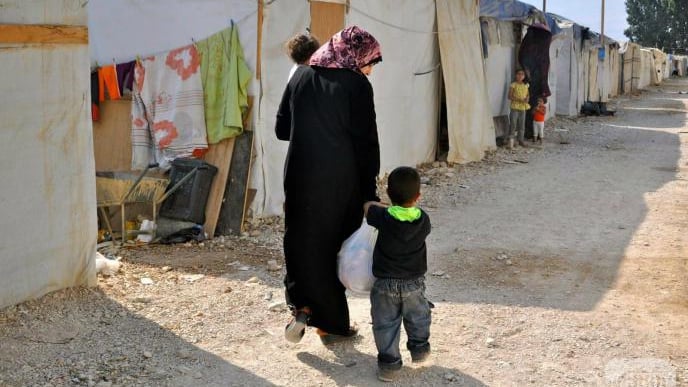
According to the report “The majority of refugees from Syria in Lebanon are struggling to survive in often desperate conditions. They face widespread discrimination and major obstacles in obtaining food, housing or a job,” which increases the risk of harassment and exploitation of women. The report also quoted women who had been sexually harassed, or offered financial or other assistance in exchange for sex.
The report notes that the tough procedures imposed by the Lebanese government on refugees who want to renew their residence permits have prevented many refugees from being able to renew them. Without a valid residence permit, Syrian refugees fear arrest and tend not to report abuse to the police.
Amnesty International announced last month that female refugees are also victims of sexual harassment in other camps and at border crossings in Europe.
More than one million Syrian refugees live in Lebanon, of whom more than half are women and children. These refugees live in deteriorating humanitarian conditions, while the Lebanese authorities have repeatedly complained about the burdens that the refugees impose on the country.