


Reports | 25 05 2020
Huda spread some of her pots outside the house to fill them with rainwater. This is one of the ways to which Damascus residents have resorted, in an attempt to face the crisis caused by drinking water outages.
Other residents went to mosques to get their water, leaving the option of buying a tank-load of water as a last resort, due to the steep prices, that can go as high as 4,000 Syrian Pounds per filling.
The water crisis was aggravated in Damascus, after the regime breached the truce concluded with opposition factions in Wadi Barada. Those factions, according to Damascus Media Office, therefore cut off the Fijeh spring water feeding the capital. The region witnessed a complete disruption of the water supply on Sunday.
News circulated recently, however, of the opposition resuming the water supply. This comes after the regime's commitment to the truce agreement, which stipluates that the regime withdraw its troops towards the town of Ashrafiet al-Wadi, and cease targeting the villages of Wadi Barada; in return for the resumption of Fijeh spring water feed to Damascus and its countryside.
"I Want to Shower!"
Regardless of who bears responsibility for the water outages, residents of the capital faced the crisis with ridicule, exchanging jokes, as well as posting photos and cartoons.
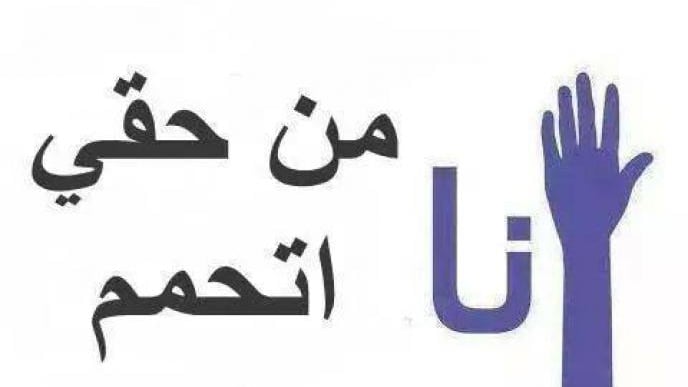
A number of Damascus residents launched the Hashtag "#I Have_a right_To Shower" on social networking sites. One of the participants sarcastically commented: "With the utmost pride, we announce the launch of the "I Want to Shower" campaign. All those who wish to participate, should immediately head to the Ministry of Interior to have it officially sanctioned. They are likely to get out of Interior Ministry without their underwear. Loofas and shampoo will be provided free of charge by the organizers."
Another commented: "This morning I tried calling my friend, but he didn't reply. He called back after 15 minutes, saying that he had been taking a shower and did not pay attention to the phone. I laughed, the Minister of Irrigation laughed and, accidentally Imad Khamis [infamous Minister of Electricity] overheard, then laughed: He showered? Yeah, right."
For Sale: A Bottle of Water!
Some social networkers posted a picture of a water bottle, announcing "For sale: a bottle of water, of which only one sip was drunk. In almost pristine condition, with all accessories and a plastic cap and cup. Hagglers and smart-asses need not call."
The price of bottled drinking water had recently doubled, after completely disappearing from shelves in central Damascus' and various other Syrian cities' markets.
The regime government's Drinking Water Establishment [DWE] promised to resolve the water crisis in Damascus, starting with high-end neighborhoods, such as al-Malki and Mouhajreen. Meanwhile, Prime Minister Wael al-Halaki seemed far removed from reality, praising his minister's efforts and for maintaining their "communication with people's concerns," he said.
Sources in the DWE told local media that water will be pumped to the rest of the regions, to take place Thursday, will rely on wells, which have benefitted from heavy rainfall this year. The wells' witnessed a four-fold level increase compared with the same time last year. At the same time, the regime's Ministry of Agriculture's Rainmaking Bulletin explained that this will help resolve the water crisis in Damascus—albeit temporarily.
It is noteworthy that the DWE resorts, in normal situations, to a water rationing of more than 15 hours per day. Water is only delivered in the early morning hours, with the reasoning cited is the need to fill the main reservoirs.
Discrimination!
The regime's government has launched several information campaigns to rationalize the use of water. Damascus residents do not complain about the long hours of water rationing; rather from the discrimination in determining rationing hours according to neighborhoods and areas.
Water is, therefore, pumped most of the day to pro-regime areas—while besieged areas are denied. This disparity in rationing may even affect neighborhoods in the same area: It is possible, for example for water to be cut off for three consecutive days, in some areas of the capital.