


Reports | 2 07 2026
 rozana
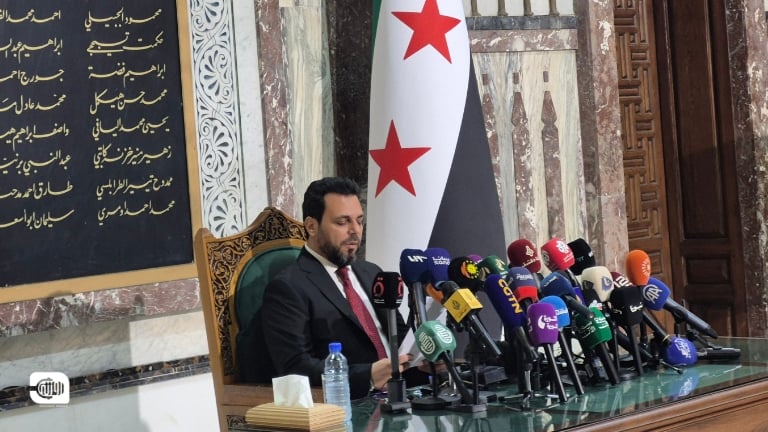
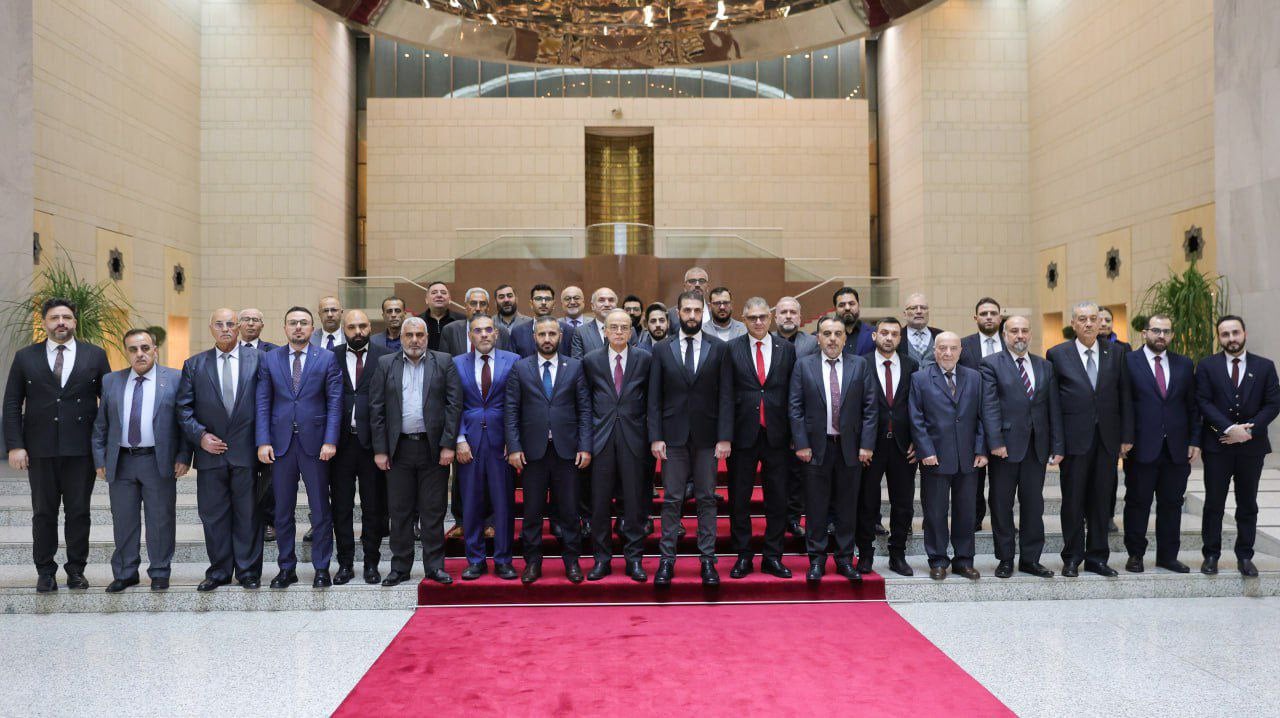
After months of anticipation, the head of Syria’s Supreme Committee for Parliamentary Elections, Mohammed Taha al-Ahmad, announced on Wednesday the names of members of the People’s Assembly following approval of the “complementary third” appointed by Syria’s transitional president, Ahmed al-Sharaa.
Al-Ahmad said the new parliament will hold its first session next Monday.
Below are the key findings compiled by Rozana based on an analysis of the lists published by the Supreme Committee for Parliamentary Elections.
Low Female Representation
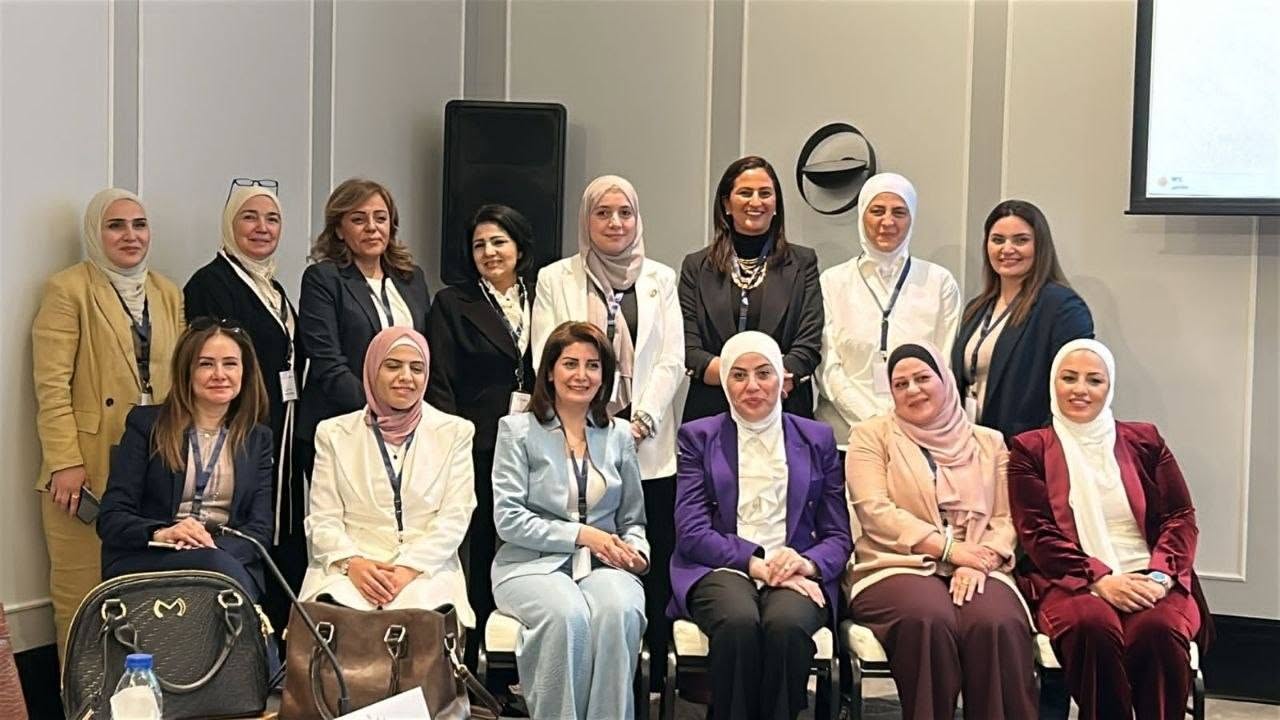
Women will make up just 10.63% of the next People’s Assembly, with 22 female members.
By contrast, 185 men account for roughly 89.4% of the 207 members whose names have been announced so far.
In the last parliamentary list issued in July 2024, women represented 9.6%, with only 4 winning seats out of 65 allocated to independent lists.
Globally, women’s average representation in parliaments stands at 27.5%, and 16.2% in the Middle East and North Africa, according to the UN’s “Women in Politics 2026” report.
With the final list now complete, Syria ranks 162 out of 184 countries in terms of women’s parliamentary representation.
Committee Members Turned Parliamentarians
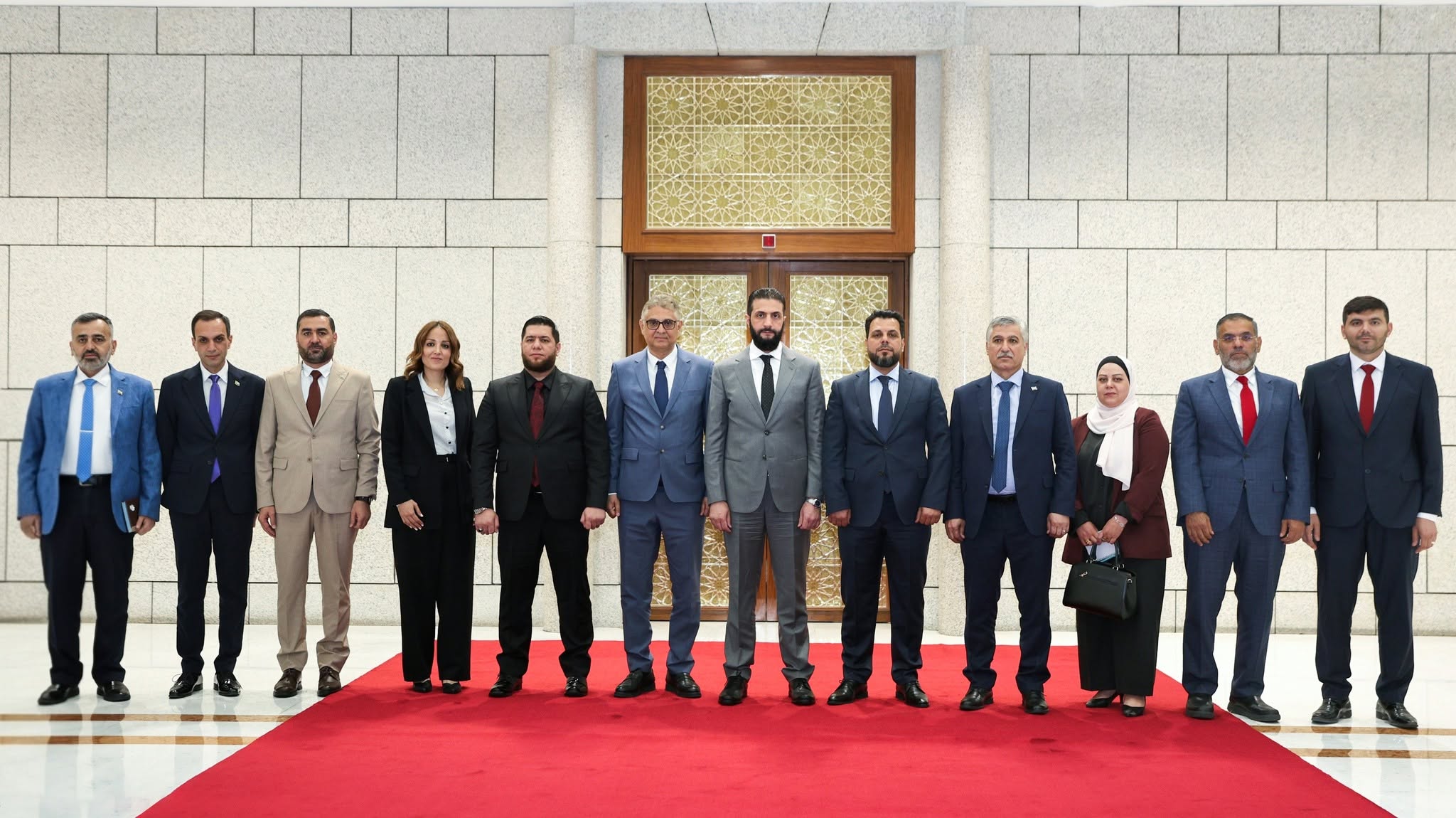
The “complementary third” appointed by President al-Sharaa includes 11 members who previously served on official committees formed by presidential decrees or legal mandates. These bodies were involved in drafting the constitutional declaration, preparing the National Dialogue Conference, participating in the Higher Committee for Civil Peace Preservation, or serving on the Supreme Committee for Parliamentary Elections.
Seven of the 11 come from the electoral committee itself, including: Badr Jamous, Anas al-Abdeh, Nawar Najmeh, Hassan al-Daghim, Hanan al-Balkhi, Mohammad Ali Mohammad Yassin, and Imad Yaqoub Barq.
Also included are Hasan Soufan, a member of the Civil Peace Committee; Abdul Hamid al-Awak, head of the Constitutional Declaration Drafting Committee; and Huda al-Atassi and Maher Alloush, both members of the National Dialogue preparatory committee.
Tribal and Clan Representation
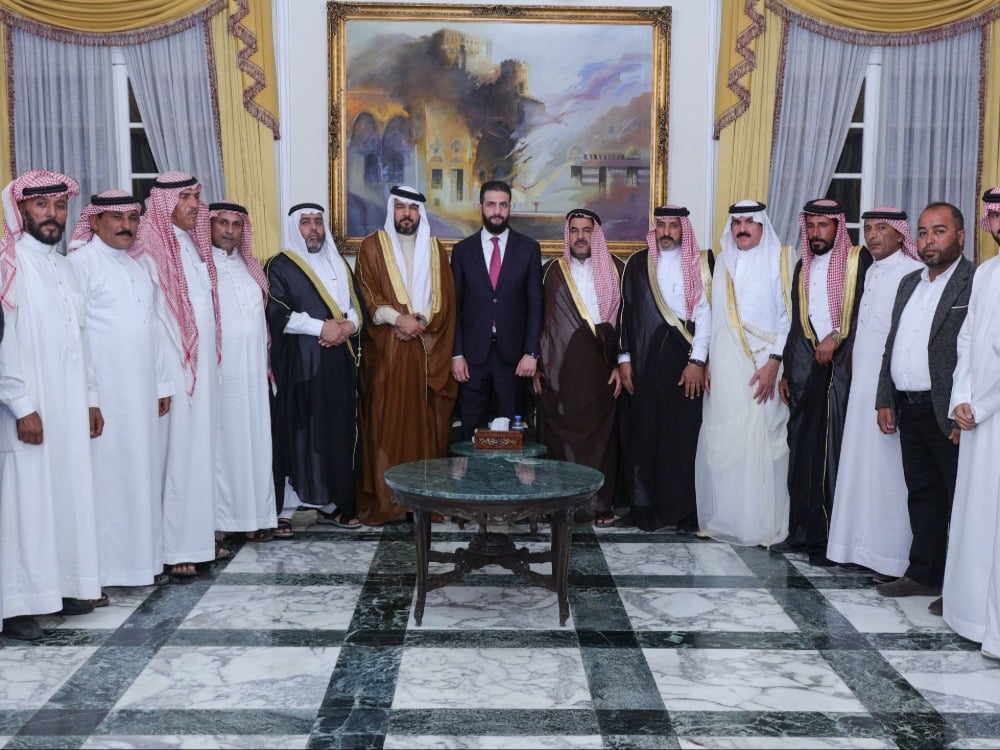
The list also features several tribal and clan leaders from across Syria.
Among them is Musab al-Hafel, sheikh of the Aqidat tribe in Deir Ezzor; Ahmad Nawaf al-Basha Asi al-Jarba, a notable figure within the Shammar tribe in Hasakah; and Nasser Mohammad Khair al-Hariri, sheikh of the Hariri clan in Daraa.
Others include Hammoud al-Hassan al-Ibrahim from the Walda tribe in Raqqa, Saoud Faisal al-Najras from the Aqidat tribe in Deir Ezzor, and Rami al-Doush, also a prominent Aqidat figure.
The list further includes members of the Arab Tribes and Clans Council, previously active in northwestern Syria, such as Mohammad al-Nasif (al-Mashahda tribe, rural Aleppo), Mihreb al-Hamoud (al-Bu Shaaban tribe, rural Aleppo), and Khaldoun al-Ahmad (al-Mawali tribe, rural Hama).
Former Opposition Coalition and Negotiation Body Members
Several figures from the former Syrian opposition structures also appear on the list, including members of the Syrian National Coalition and the former Syrian Negotiations Commission.
Among them is Abdul Hakim Bashar, former deputy head of the coalition and representative of the Kurdish National Council, as well as Anas al-Abdeh, former coalition president, and Badr Jamous, former head of the Syrian Negotiations Commission.
Also named is Abdul Rahman Mustafa, former head of both the coalition and the Syrian Interim Government, and current head of the Syrian Turkmen Council.
Other appointees include Yasser Dalwan, a former coalition general body member representing the Second Legion of the Syrian National Army and ex-head of the political office of Jaysh al-Islam.
Monther Sarras, former general commander of the Sham Legion, was also appointed, alongside a former political committee member of the National Coalition representing factions that later formed the National Liberation Front. He previously worked as a businessman and investor in Saudi Arabia, according to the Syrian Memory website.
Hanan al-Balkhi, now a member of parliament, previously represented the Syrian National Coalition in Norway. Another notable name is Gabriel Moshe Korya, a member of the Assyrian Democratic Organization, who represented it in the Syrian Negotiations Commission and the expanded Constitutional Committee as an independent.
Suwayda Elections Delayed
Parliament will begin its work without naming three representatives from Suwayda province. Al-Ahmad said their selection was postponed due to “current circumstances,” while ensuring the province will still be represented through the complementary third.
Two names from Suwayda—Laith al-Balaoush and Subh al-Bidah—were included in the list.
The committee’s work has sparked debate among Syrians and public actors over its mechanisms, outcomes, and formation, with opinions ranging from acceptance to rejection.
Human rights organizations previously issued a joint statement criticizing the interim electoral system for the People’s Assembly, arguing it “undermines pluralism and democratic representation.”
Under the constitutional declaration issued in March 2025, legislative authority is exercised by the People’s Assembly. The transitional president forms a higher committee to select its members, which oversees sub-electoral bodies that choose two-thirds of the assembly, while the president appoints the remaining third “to ensure fair representation and competence.”
The assembly is tasked with proposing and passing laws, amending or repealing existing legislation, ratifying international treaties, approving the state budget, endorsing general amnesty, and reviewing parliamentary immunity or resignation requests, among other responsibilities.
Its term is 30 months, renewable, according to the constitutional declaration, which states it will exercise legislative authority until a permanent constitution is adopted and new elections are held.
It also stipulates that members cannot be dismissed except by a two-thirds vote of the assembly and that they enjoy parliamentary immunity.
In its first session, the assembly must elect a speaker, two deputies, and a secretary by secret ballot and absolute majority, with the eldest member presiding over the opening session until leadership is elected. Members are sworn in before the president, pledging: “I swear by God Almighty to carry out my duties faithfully and sincerely.”