


Reports | 2 04 2026
 Pamela Saab
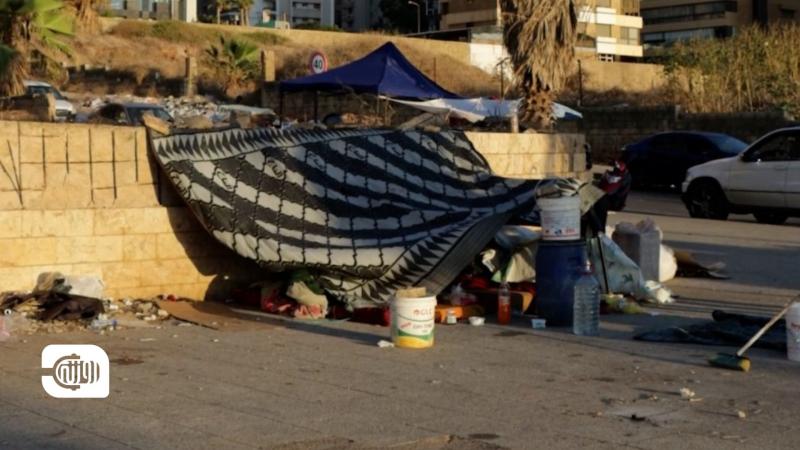
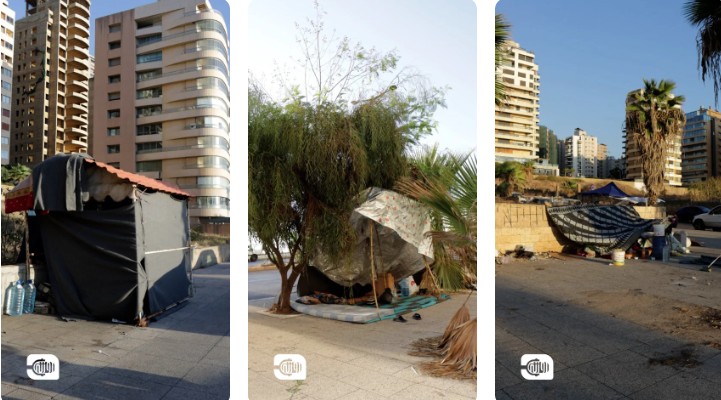
“We spent a week on the street.” That is how Sumayya recounts her displacement. “I left my home in Beirut’s southern suburbs with my three children — my husband is in Syria — as Israeli threats escalated. We had to leave quickly, so I couldn’t bring enough clothes or belongings. A neighbor helped us get out, but we ended up sleeping on the seaside corniche in Beirut because we couldn’t find any shelter willing to take us in.”
Speaking to Rozana, she continued: “We slept in small tents with our neighbors, enduring cold, rain, hunger and exhaustion. Then I took my family and went to my brother’s house in Tripoli in northern Lebanon. The house has two rooms and now holds 20 people — my brother’s family, his wife’s relatives, and me and my children.”
As with every crisis that has battered Lebanon and affected Syrian refugees, the escalating war between Hezbollah and Israel has weighed heavily on the most vulnerable — including Syrians who had already been displaced once. Many were living in conflict areas and have now been uprooted again, this time under even harsher conditions, compounded by marginalization from the host community and limited access to aid from humanitarian organizations.
Ahmad Shaaban, a Syrian displaced from Ain al-Arab in the Marjeyoun district of Nabatieh governorate, now living in a camp in Zahle’s industrial zone, sums up his suffering: “It’s like a metal roof pouring water down on me, with only a mat to sleep on.”
Fifty people, one tent
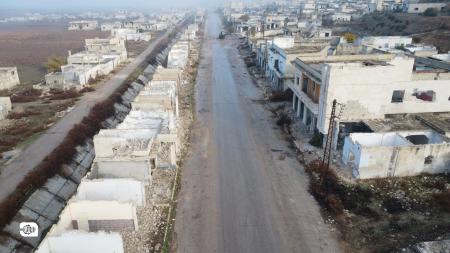
When the Israeli war on Lebanon began, Ahmad Shaaban fled with 50 members of his extended family, traveling by agricultural tractors to a camp in Zahle.
The journey from Ain al-Arab to Zahle took nearly half a day — a trip that would normally take two hours. Upon arrival, all 50 of them were placed in a single tent. They spent their first night sleeping on the bare ground due to a lack of mattresses and blankets, until other camp residents provided some the following day.
Ahmad describes his life before the war as relatively stable. He worked in agricultural projects for a daily wage that covered his family’s needs, with free access to water and electricity because his home was adjacent to his employer’s property.
Despite the dire conditions in the camp — including the absence of basic necessities such as water and electricity, flooding whenever it rains, and a lack of assistance from NGOs or authorities — returning to Syria remains impossible for him. Jobs are scarce, and wages are extremely low even when work is available.
According to official figures, more than 130,000 people have returned to Syria due to the war. Since March 2, border crossings have seen a noticeable increase in Syrians leaving Lebanon, particularly through the Jdeidet Yabous–Masnaa crossing between Damascus and Beirut, and the Jusiyah crossing linking southwestern al-Qusayr in Syria with northern Lebanese villages such as al-Qaa. Still, many others have been unable to leave, as conditions in Syria remain equally harsh.
The tragedy of displacement
Abu Nahi fled from the town of al-Babliyeh in the Sidon district in southern Lebanon on the eighth day of the war, when Israeli bombardment reached the area. He headed with his family to Zahle, returning to the same camp where he had taken refuge during a previous conflict.
He has lived in Lebanon for 15 years, spending nine of them in the Zahrani area before moving to al-Babliyeh, where he worked farming zucchini and tobacco. “Our life was modest but manageable — the war turned it into a tragedy,” he told Rozana.
Conditions in the camp are extremely difficult: no heating, high fuel prices, sanitation problems, lack of water, and no assistance from UNHCR or aid organizations.
Abu Nahi is waiting for the war to end so he can return to al-Babliyeh, where he previously earned a relatively decent income — about 150,000 Lebanese pounds per hour. In the Bekaa, agricultural workers earn roughly half that amount, if they can find work at all.
Suffering upon suffering
Another Syrian displaced person, Abu Jamil, spent 25 hours traveling from Zibqin in the Tyre district to Akkar. He initially rented a house in the northern town of Mishha, but after just eight days, the landlord forced him out and cut off their water supply to pressure the family, for reasons that remain unclear, despite the rent being paid in advance, according to Abu Jamil. He was then forced to move to the Akkar area of Bqerzla, where he rented another home.
Abu Jamil describes the situation as dire. Aid organizations distribute hot meals and food assistance to Lebanese displaced families living near him, but he has received nothing.
Due to the lack of mattresses and blankets, he says five family members share a single mattress and use the same covering.
As for returning to Syria, Abu Jamil says it is almost impossible — not only because of the economic situation, but also due to political conditions. In particular, Jabhat al-Nusra has taken over land he owns in Syria. “A friend of mine returned to Syria because of the war here. He is waiting for things to calm down so he can come back to Lebanon — conditions there are even worse,” he said.
Several displaced Syrians we spoke to described discrimination in access to shelter. Reception centers prioritize Lebanese nationals, leaving Syrians treated as second-class displaced, as Naji al-Ahmad put it. This mirrors their experience during previous conflicts and is repeating today amid dwindling aid, worsening conditions and an open-ended war.
Discrimination extends beyond official shelters. Many have struggled to find apartments for rent in safer areas or to receive assistance from NGOs and other organizations.
Syrian displaced people are paying for this war twice: first through displacement itself, and again through discrimination and inhumane treatment. This comes despite the Geneva Conventions prohibiting discrimination in the treatment of civilians during war and obligating all parties to facilitate the delivery of humanitarian aid without bias.
Until aid reaches those in need, even a mattress and a blanket remain distant dreams on these cold nights.