


Reports | 12 03 2026
 mohammad sulaiman
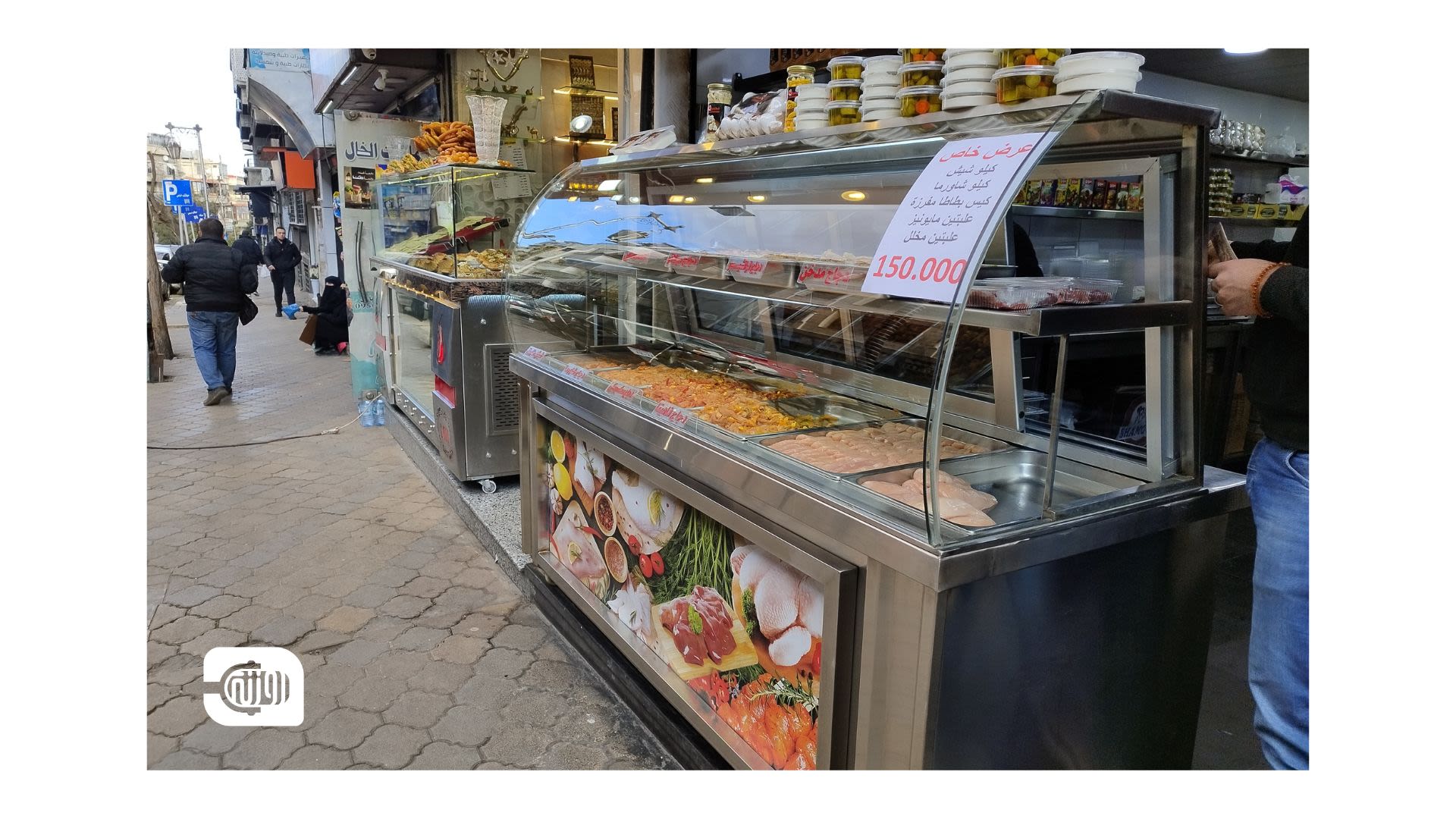
In Damascus’ chicken markets, the scene looks familiar: crowded stalls, constant movement, vendors calling out to shoppers. But behind the bustle is a different story. Crowds no longer signal strong buying—they reflect hesitation. Shoppers enter, check prices, calculate, and leave with lighter bags than in previous years.
Ramadan, once a season for stocking up on several days’ worth of meals, has become a month of careful calculation. The question is no longer “How much should we buy?” but “How much can we afford?” Chicken is purchased by the kilo—or sometimes less—depending on household budgets after other essentials.
Prices tell the story. Chicken fillets have reached 52,000 Syrian pounds per kilogram, while cleaned whole chickens sell for 44,000 pounds. Last year, fillets were 27,000 pounds and whole chickens 35,000 pounds. Between these numbers, meals shrink, and Ramadan habits adjust to fit a reality that no longer allows for indulgence.
Price Surges Before and During Ramadan
At Sheikh Mohi al-Din chicken shop, prices reflect daily reality. Ahmed (a pseudonym) said prices began climbing just before Ramadan and stabilized at high levels during the first days of the holy month.
“The scene repeats almost every year,” he said, weighing the day’s modest orders. “Before Ramadan, demand rises, and chicken is in high demand. When demand rises, prices increase automatically.”
This year, he said, prices climbed faster and more sharply. Fillets previously cost 38,000 to 40,000 pounds per kilo. Today, they are around 50,000 pounds, a 10–15 percent increase in a short time. Customers now buy smaller quantities than in past Ramadans.
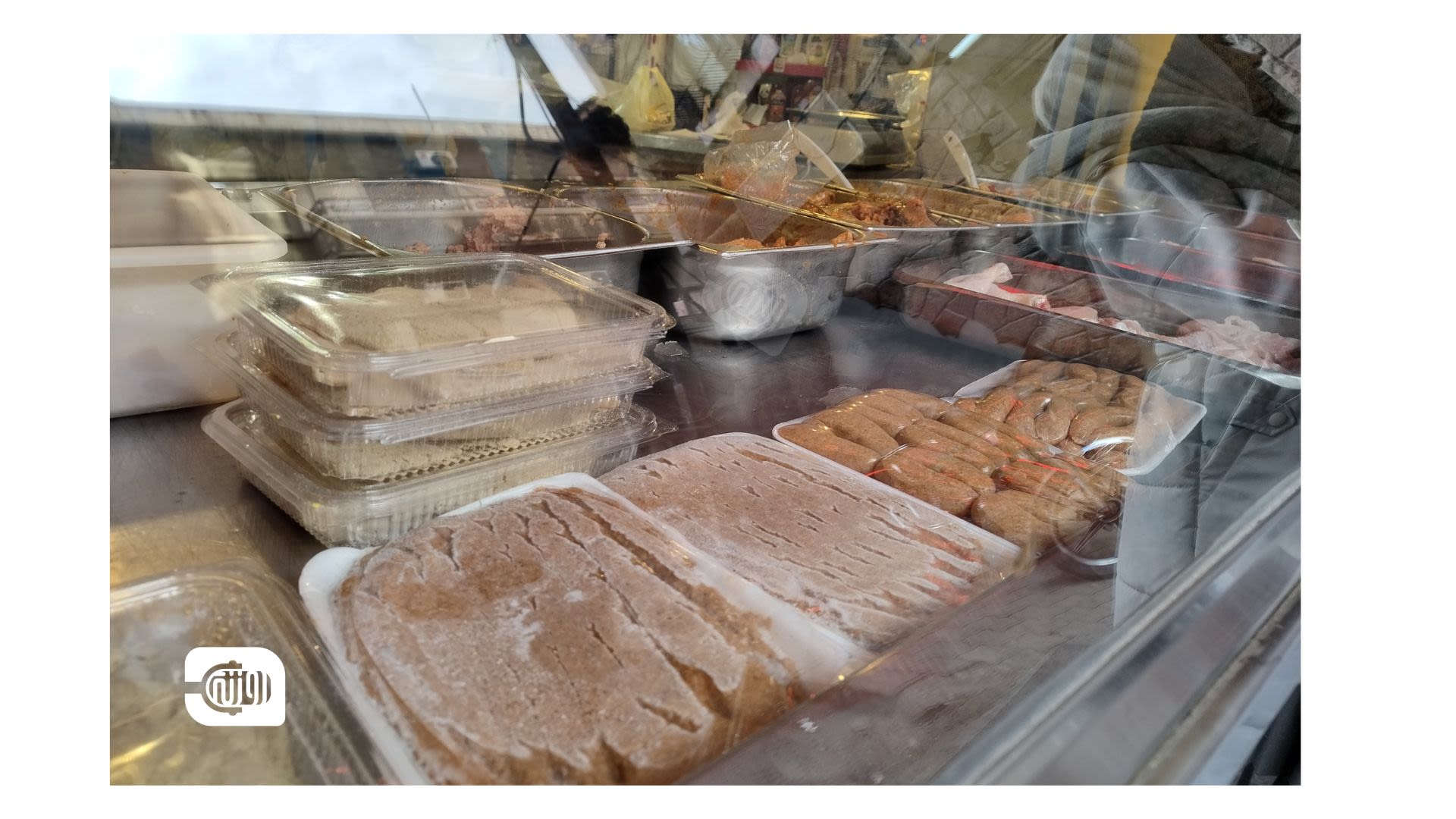
Chicken Shop in Damascus – Rozana
Official Explanations
Fadel Haj Hashem, director-general of the General Poultry Establishment, told SANA the sector faced a difficult four months. Breeders suffered losses that forced some to halt production or reduce output. This decline affected chick production, lowering the number of chickens in markets and creating a relative shortage.
Hashem said chicken prices are determined by supply and demand, not just production costs. Costs may rise while prices fall if demand drops—or the opposite occurs if supply decreases and buyers rush to purchase.
Forced Rationing in Households
This shift reflects forced rationing imposed by economic pressures, not just consumer choices. Chicken, once an affordable alternative to red meat, has become an extra burden on family budgets.
“People who used to eat out now cook at home,” said the owner of Mahabba Chicken Shop. “Consumption hasn’t fallen, but quantities have shrunk. A family that bought for a week now buys for a day or two.”
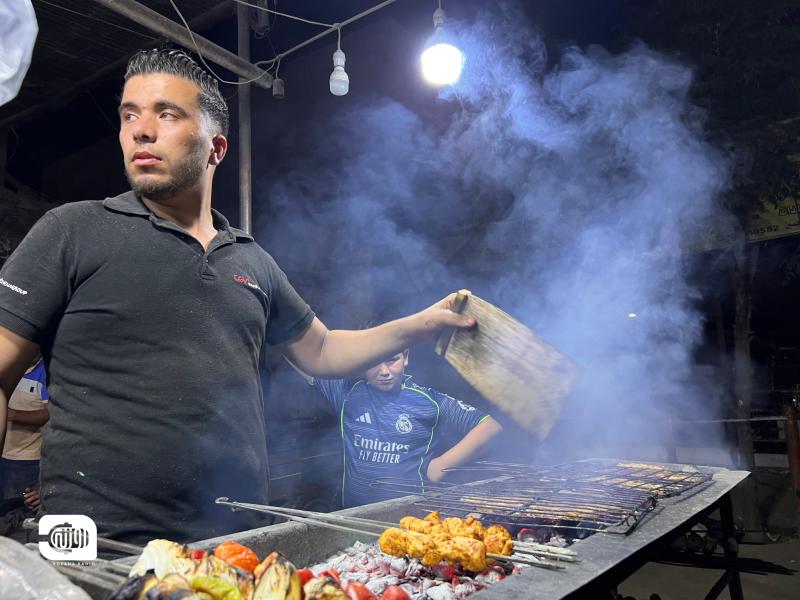
Street Grill Stall in Syria – Rozana
“Chicken Plague” Rumors
Alongside rising prices, rumors about a “chicken plague” have resurfaced, sparking anxiety. Vendors say most concerns refer to coccidiosis, a common intestinal disease in farmed chickens that does not spread to humans when birds are properly slaughtered.
Some infected birds are culled on farms, but this poses no risk to consumers. Fadel Haj Hashem said rumors were fueled by traders blocked from importing frozen poultry.
Veterinarian Bashar Awad added that Newcastle disease, sometimes called chicken plague, can infect humans only in rare cases through direct contact with infected birds, and even then usually causes mild symptoms such as eye irritation or flu-like signs. Properly cooked poultry is safe to eat.
The Consumer Between Pocket and Table
Economic analyst Majed Harb said current behavior reflects economic pressure, not just changing habits. With stagnant salaries and rising food prices, families can no longer pre-stock for Ramadan. Buying now focuses on daily necessities, turning consumption into a day-to-day survival strategy governed by cash availability.
In Damascus, Abu Ahmad (a pseudonym), a father of three, said:
“We calculate everything with pen and paper before buying. One or two kilos, depending on need. We no longer stock up.”
The family has reorganized Ramadan meals to focus on essentials. “Chicken has become the main meat because red meat is far more expensive. Even so, it’s no longer comfortable.”
Regarding rumors, he added: “If there were a real danger, the Ministry of Health would intervene. But people worry because everything feels alarming.”
“Ramadan has its traditions,” he said. “But circumstances are stronger. No invitations, no gatherings, no stockpiling—even with electricity improving.”
Ramadan Under Market Pressure
Markets are open, and chicken is available, but the reality is shown in small bags leaving shops. Consumption continues, but consumer dignity is eroding.
This Ramadan is not a season of abundance. It is a month of managing scarcity. Between a market without clear controls and families forced into rationing, one question remains: how long will basic food depend solely on purchasing power?