


Reports | 25 12 2025
 loujein haj youssef
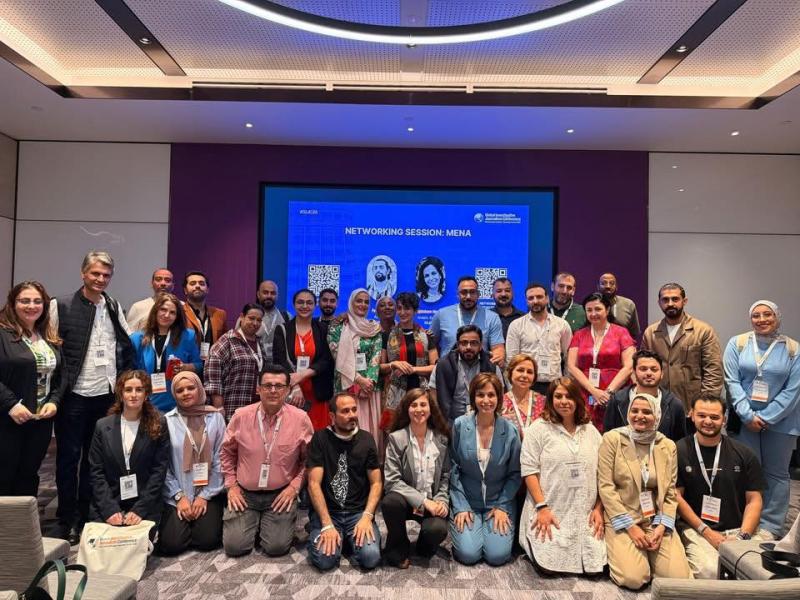
On the sidelines of the Global Investigative Journalism Network (GIJN), discussions extended beyond formal sessions and workshops to include open conversations among Arab journalists from different countries. These exchanges focused on investigative reporting in contexts of conflict and repression, the challenges of accessing information, protecting sources, and the limits of individual journalism in complex environments. Despite differing national contexts, it became clear that the challenges were largely shared, underscoring an urgent need for common spaces for dialogue and collaboration.
For many Arab journalists, investigative journalism does not begin in well-equipped newsrooms or with open databases, but rather with fear, surveillance, and repeated attempts to uncover the truth in environments where asking questions is itself considered a risk. In this context, participation in the Global Investigative Journalism Conference is not merely a professional opportunity but a rare space to break the isolation faced by journalists investigating corruption and human rights abuses while being threatened with silence, marginalization, or punishment. When Arab journalists are absent from these platforms, it is not only their personal experiences that are missing—entire stories are left unheard in the global narrative.
The Global Investigative Journalism Conference is the world’s largest gathering of investigative journalists. This year’s edition was organized by the Global Investigative Journalism Network (GIJN) in partnership with Malaysiakini. The conference provides a unique space for exchanging experiences, building collaborative networks, and discussing the professional and ethical challenges faced by journalists worldwide, particularly those working under repressive regimes or in conflict zones.
For Arab journalists, the value of this space is amplified. Many work in environments marked by limited access to information, the absence of legal protections for journalists, a lack of transparency, and direct security threats. During conference sessions and workshops, journalists from conflict-affected and authoritarian contexts shared experiences on source protection, open-source investigations, and cross-border collaboration. These discussions highlighted that the challenges facing Arab journalists are not isolated but part of a broader global context that requires shared tools, clear professional standards, and transnational support networks.
In this context, Najm Al-Din, a Yemeni investigative journalist who has produced several written investigations and open-source investigations focusing on anti-corruption and organized crime, says that participating in the conference marked a turning point in his understanding of investigative journalism. The experience, he explains, was not simply about learning new tools but about rethinking how investigative work can be developed in conflict settings without compromising global professional standards.
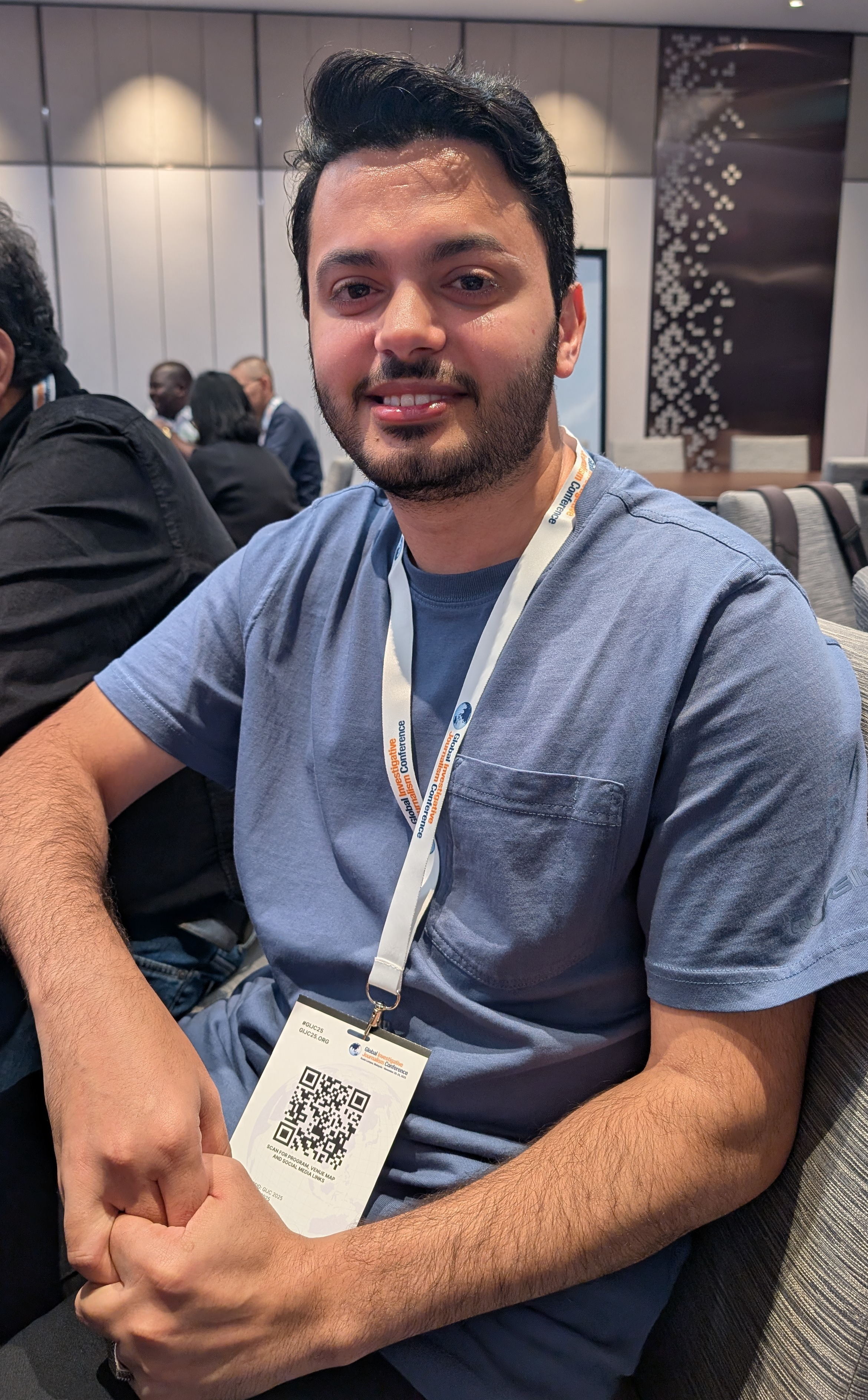
journalist - Yemen - Najm Al-Din Qasem
Najm Al-Din adds that meeting journalists from countries that have experienced similar wars or authoritarian systems reassured him that the challenges he faces in Yemen are not unique. There are clear professional pathways for documenting abuses, protecting sources, and producing in-depth investigations that are publishable internationally, even in the most hostile environments. He notes that attending GIJC for the first time came after five unsuccessful fellowship applications and describes the masterclasses as among the most impactful experiences, where journalists work on the same exercises but draw on their own contexts and experiences—reinforcing a shared investigative methodology shaped by diverse perspectives.
From her perspective, Lebanese journalist Joud Al-Asmar emphasizes that the conference’s importance lies in its ability to connect local issues to a global context. Many cases of financial corruption, money laundering, and resource mismanagement do not stop at national borders, particularly in the Arab region, where such issues are often inherently cross-border. She explains that her participation in the conference opened opportunities to work within international investigative teams, transforming what might once have been a purely “Lebanese” story into part of an interconnected network of investigations that expose global patterns of corruption and enhance impact.
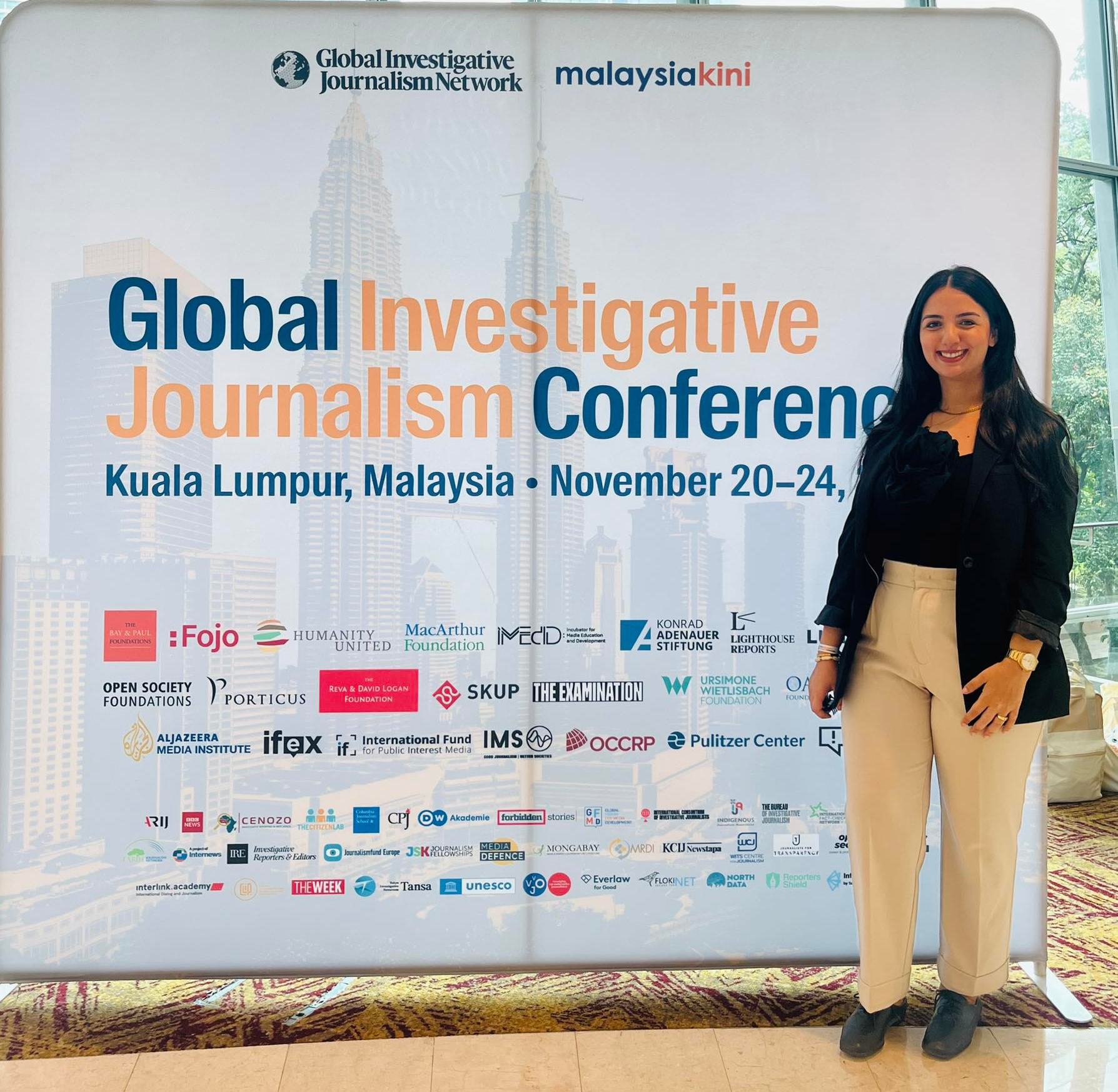
Joud Al-Asmar—journalist—Lebanon
This year represents a particularly important opportunity for Arab investigative journalists, especially with the number of accepted and participating journalists from the Middle East having doubled. Despite this positive development, participation remains limited relative to the scale of challenges, particularly amid ongoing conflicts and widespread restrictions on press freedom in the region. This highlights the importance of dedicating meaningful space to early-career investigative journalists through masterclasses and training programs, alongside fair quota systems that ensure broader representation from different regions and backgrounds.
The importance of participation extends beyond journalists themselves. The absence of Arab journalists from global platforms such as GIJC means that stories from the region are often told from the outside, oversimplified, or presented without a deep understanding of their social and political contexts. Participation is not merely symbolic representation—it is a defense of the right of Arab societies to have their stories told by those who live them, understand their complexities, and bear the risks of uncovering them.
Ultimately, investigative journalism cannot be separated from justice and the public’s right to know. The participation of Arab journalists in the Global Investigative Journalism Conference is not a personal privilege but an investment in safer, more professional journalism that is better equipped to hold power to account, regardless of the risks. In a world where journalists share tools, knowledge, and experiences, absence becomes a collective loss—not an individual one.