


Reports | 19 01 2026
“Some people still haven’t reopened,” said Suleiman, a vegetable shop owner in Raqqa, referring to stores that remain shuttered and residents who have yet to overcome their fears, despite the rapid changes the city has experienced in recent days.
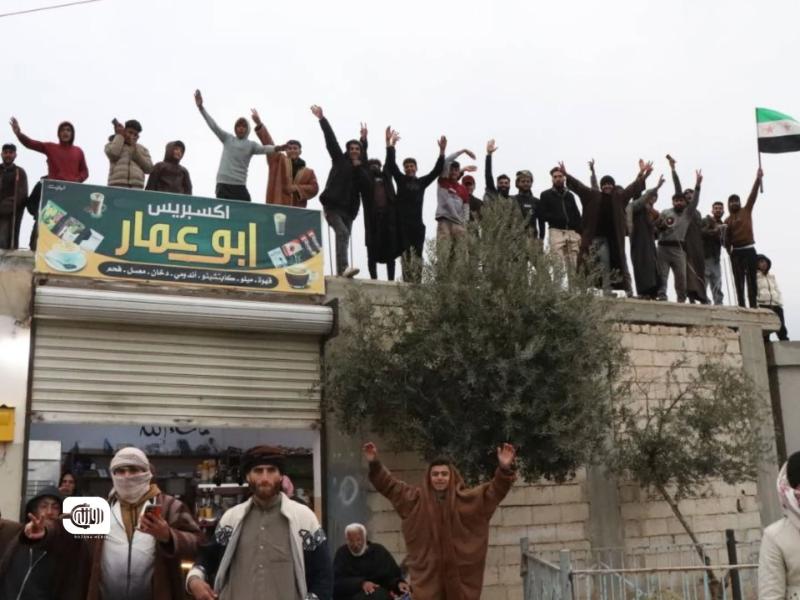
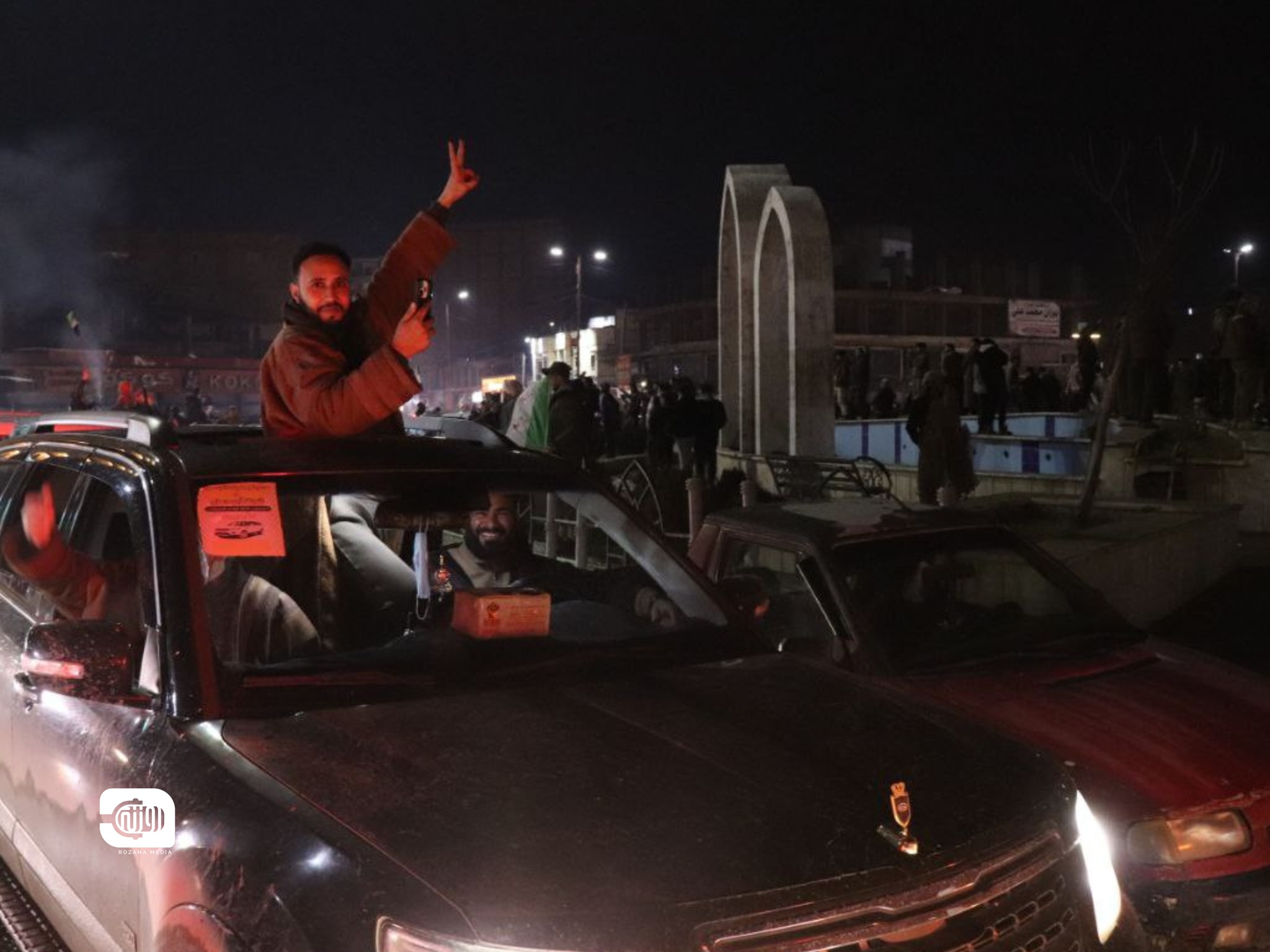
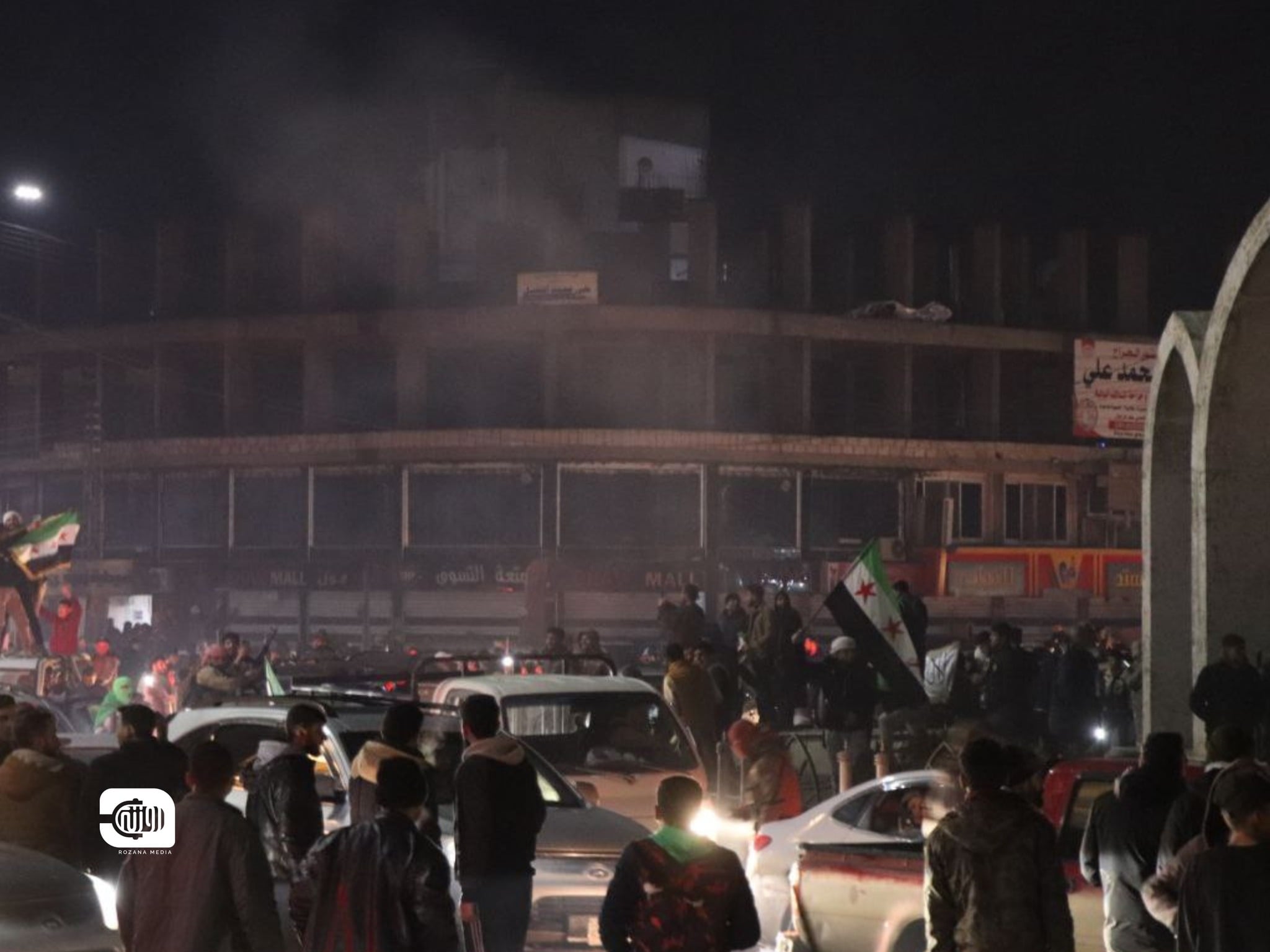
Late Sunday night, the Syrian government regained control of Raqqa after a period under the authority of the Syrian Democratic Forces (SDF), a battlefield shift that reshaped the city’s security and political landscape.
During a tour by Rozana Radio across several neighborhoods, the city appeared divided: metal shutters stayed down on some shops, while others had reopened and resumed business. Pedestrian and vehicle traffic moved steadily through main streets, reflecting residents’ cautious attempts to restore daily routines amid an uncertain calm.
Hamad al-Eid, an English teacher from Raqqa, said a “large surge of people into the streets” followed the change in control, adding that many shop owners began reopening their businesses. At the same time, he said, the city is grappling with a worsening bread shortage.
The developments come as SDF commander Mazloum Abdi is expected to meet Monday, Jan. 19, with Syria’s interim president, Ahmed al-Sharaa, following the signing of a new ceasefire agreement between the Syrian army and the SDF in northern and eastern Syria. Abdi had previously been unable to travel to Damascus, according to sources familiar with the talks.
The agreement follows rapid advances by Syrian government forces in recent days across several provinces, including Aleppo, Raqqa and Deir Ezzor, as well as parts of Hasakah. It also comes shortly after a visit to Damascus by the U.S. special envoy to Syria, Tom Barrack, who held talks with al-Sharaa.
Under the terms of the deal, the ceasefire is expected to take effect Monday, alongside the withdrawal of SDF fighters to areas east of the Euphrates River, according to the agreement document.
A New Agreement
The interim Syrian government and the SDF signed the agreement Sunday, Jan. 18, calling for a comprehensive ceasefire and the integration of all civilian and military institutions into state structures, according to a statement issued by the Syrian presidency. Local sources, however, reported dozens of casualties in eastern Syria amid clashes involving SDF forces.
The agreement is described as the detailed executive framework of a broader accord signed on March 10, 2025.
Key provisions include the immediate transfer of administrative and military control of Raqqa and Deir Ezzor to the Syrian government; the integration of civilian institutions in Hasakah province into state administrative structures; government control over border crossings and oil and gas fields; and the individual integration of SDF military and security personnel into the Syrian defense and interior ministries following security vetting.
The deal also stipulates the removal of heavy military presence from the city of Kobani (Ayn al-Arab), the formation of a local security force drawn from city residents, and the retention of a local police force administratively linked to the Interior Ministry. Responsibility for detainees affiliated with the Islamic State group and their families would also shift to the Syrian government.
Abdi said Sunday evening that the agreement was intended “to prevent bloodshed,” adding that “the war was imposed on us despite attempts to avoid it.” He told the Kurdish-language Rohani TV channel that he would travel to Damascus on Monday to finalize the agreement, with further details to be announced later.
On the Ground
Following the agreement, Syria’s Defense Ministry announced a ceasefire across all fronts, citing the deal between al-Sharaa and the SDF. Interior Ministry forces began preparations Monday to enter Raqqa and deploy across the city’s neighborhoods, a move officials described as an initial implementation step.
The Syrian army also announced the start of troop deployments across the Jazira region to secure the area under the agreement, saying it had taken control of the Tishreen Dam, northern Raqqa countryside and western Hasakah, according to the state news agency SANA.
Government forces have seized several strategic sites in northern and eastern Syria, including the Euphrates Dam—one of the country’s largest hydroelectric facilities—and the al-Omar oil field, Syria’s largest, following days of clashes and successive SDF withdrawals.
On Sunday evening, gunfire on the Raqqa–Hasakah highway killed several civilians and wounded others. The Syrian Observatory for Human Rights reported that at least four civilians were killed when a group of 12 people, including women and children, came under direct fire while traveling between the two cities.
Accusations and Denials
In the wake of the agreement, reports circulated of killings and violence against civilians in parts of northeastern Syria, particularly in Hasakah province. Syria’s Interior Ministry said it was closely monitoring reports of “massacres” in the area, accusing SDF forces of responsibility after the ceasefire announcement.
The SDF’s foreign relations official, Ilham Ahmed, rejected the claims, calling them “entirely fabricated” and urging residents to exercise caution against what she described as disinformation aimed at undermining the ceasefire and inflaming tribal tensions.
نهيب بالمواطنين توخي أعلى درجات الحذر. كل الأخبار عن “مجازر في الحسكة” مفبركة تماماً، وتستهدف من قبل مصادر مرتبطة بجهات مخربة لعدم الالتزام بوقف النار، وتأجيج التوترات القبلية واستئناف الهجمات على #الحسكة وكوباني.
— Elham Ahmad (@ElhamAhmadSDC) January 18, 2026
نحن ملتزمون باتفاق وقف النار والاندماج الكامل، والأوضاع في الحسكة.
Regional and International Reaction
U.S. special envoy Tom Barrack said the agreement and ceasefire marked a “pivotal turning point,” with former adversaries choosing partnership over division.
Turkey’s Foreign Ministry expressed hope that the deal would accelerate efforts to restore stability and security based on Syria’s unity and territorial integrity. Saudi Arabia also welcomed the agreement, saying it could contribute to security, institutional rebuilding, and economic recovery in line with Syrians’ aspirations.
Between 2011 and 2024, Kurdish-led forces gradually gained control over large parts of northern and northeastern Syria, including oil and gas fields whose revenues funded autonomous administration structures. Under the new agreement, management of those resources is set to transfer to the interim Syrian government.
For many residents of Raqqa, the priority remains a return to normal life. Like Hamad al-Eid, they hope the city can finally move beyond years of fear, sniper fire, and upheaval toward lasting stability.