


Reports | 23 12 2025
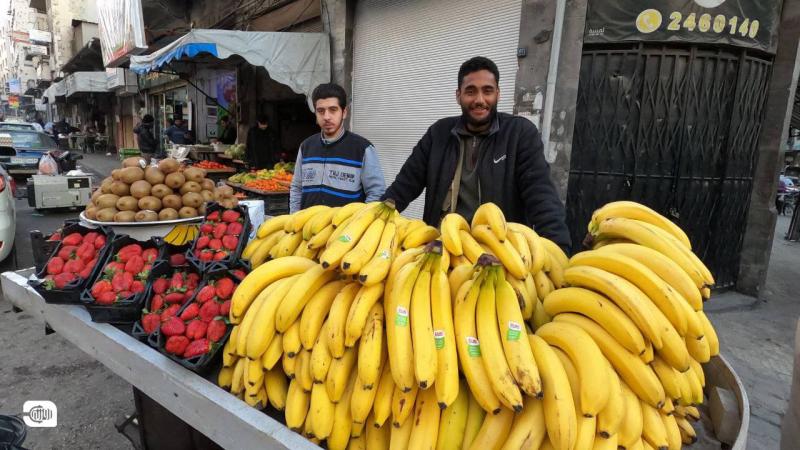
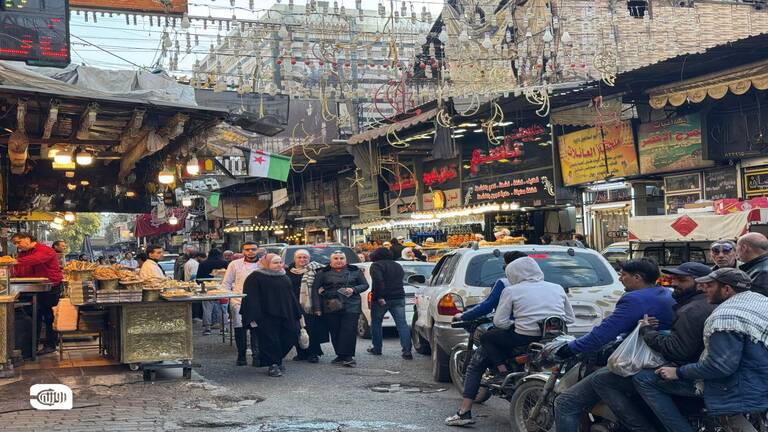
Damascus and other Syrian cities are witnessing a growing reliance on the U.S. dollar in everyday transactions, as the American currency increasingly replaces the Syrian pound in pricing goods and services. From clothing and furniture to mobile phones and home rentals, many prices are now quoted in dollars—an emerging phenomenon economists describe as “price dollarization” rather than a full dollarization of the economy.
The shift is largely intended to protect shop owners and traders from the sharp fluctuations and steady decline of the Syrian pound against the dollar. But the cost is borne by ordinary Syrians—especially low-income earners—whose purchasing power continues to erode as wages remain fixed in the local currency.
The expansion of dollar-based pricing accelerated after the fall of the former Syrian regime in late 2024 and the subsequent repeal of Decree No. 3 of 2020, which had criminalized the use of foreign currencies in commercial transactions under penalty of imprisonment. Its cancellation opened the door to widespread circulation of the dollar.
In economic literature, “dollarization” refers to the partial or complete abandonment of a national currency in favor of a foreign one—most commonly the U.S. dollar—when the local currency loses credibility. According to Qassem Abu Dast, a professor of international economic relations at Damascus University, this typically occurs when a national currency collapses to historically low levels, as is the case with the Syrian pound.
Dollar Pricing Everywhere
Evidence of dollarization is now visible across Syria’s economy. Daily exchange-rate lists—often set by money changers—circulate widely, while many goods are priced and sold directly in dollars. In other cases, prices are set in dollars but paid in Syrian pounds at the prevailing market rate rather than the official rate set by the central bank.
“This growing dependence on the dollar reflects deep economic uncertainty and weak monetary policy,” Abu Dast told Rozana. “It contributes to exchange-rate volatility and fuels inflation in local markets.”
While restrictions on dollar use previously hampered economic activities tied to foreign currency, Abu Dast noted that lifting them has introduced new challenges. Prices and economic activity have become directly exposed to dollar fluctuations, complicating monetary management and undermining investment prospects.
Paid in Pounds, Charged in Dollars
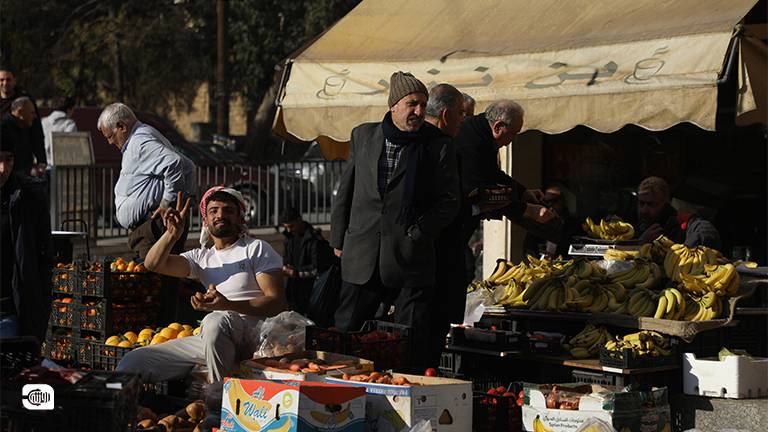
Most Syrian employees continue to earn their salaries in Syrian pounds. Yet shops increasingly quote prices in dollars—placing workers like Essam, an employee at Damascus Electricity Company, in an impossible bind.
“My salary is fixed in pounds, but my expenses are hostage to the dollar and its fluctuations,” Essam said. “Most shop owners now answer price questions in dollars, not pounds.”
When he recently took his phone in for repairs, the shop owner quoted him $20, offering to accept the equivalent in pounds based on the parallel market rate—not the official rate issued by the Central Bank of Syria.
Similar stories are common. Furniture is frequently priced in dollars, as Yahya, a man in his fifties, discovered when a Damascus shop demanded payment in dollars rather than pounds. He ended up paying $100 for a bed for his son—despite its pound equivalent being around one million Syrian pounds—losing roughly 150,000 pounds due to exchange-rate differences.
Rent in Dollars, Too
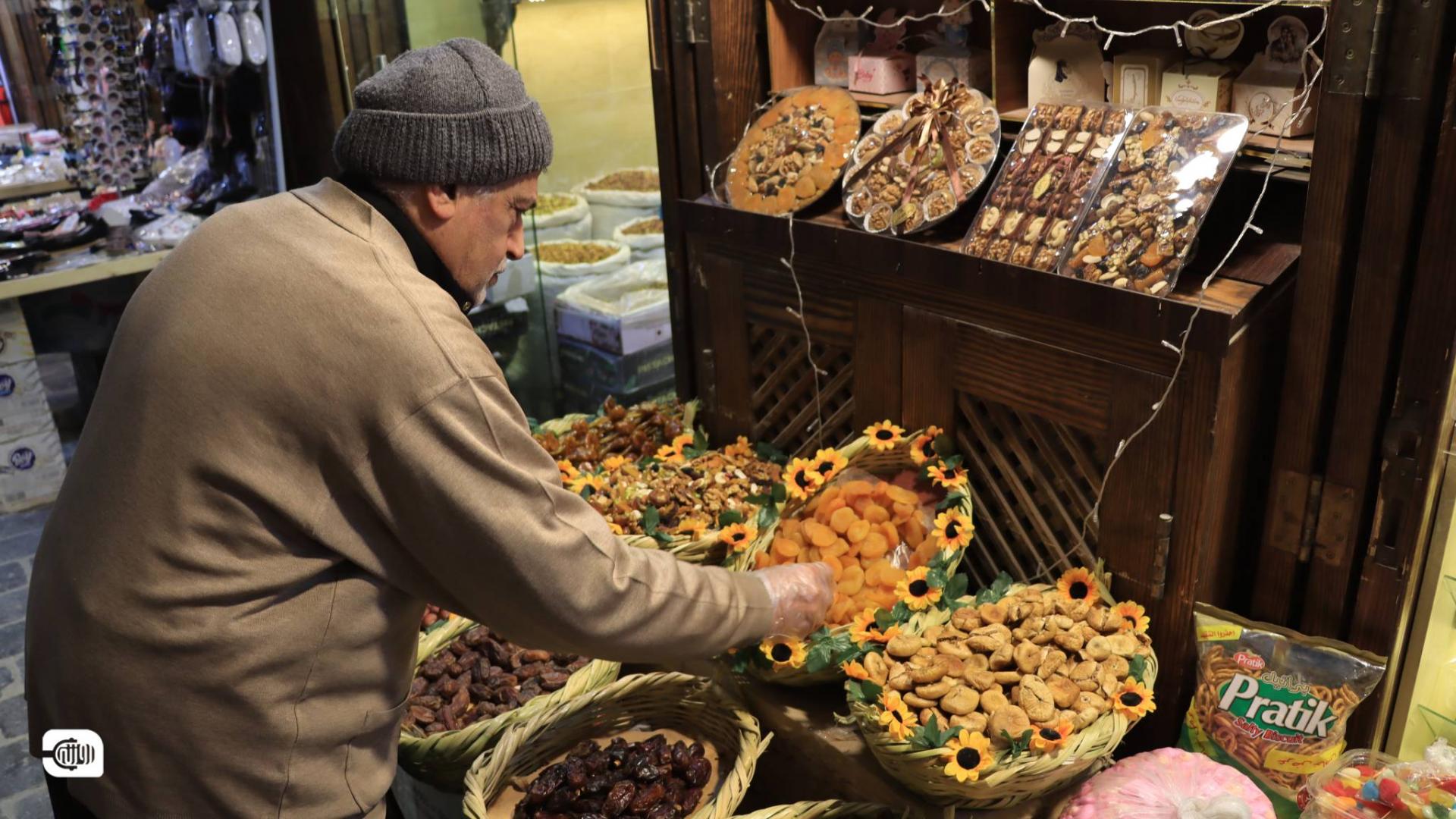
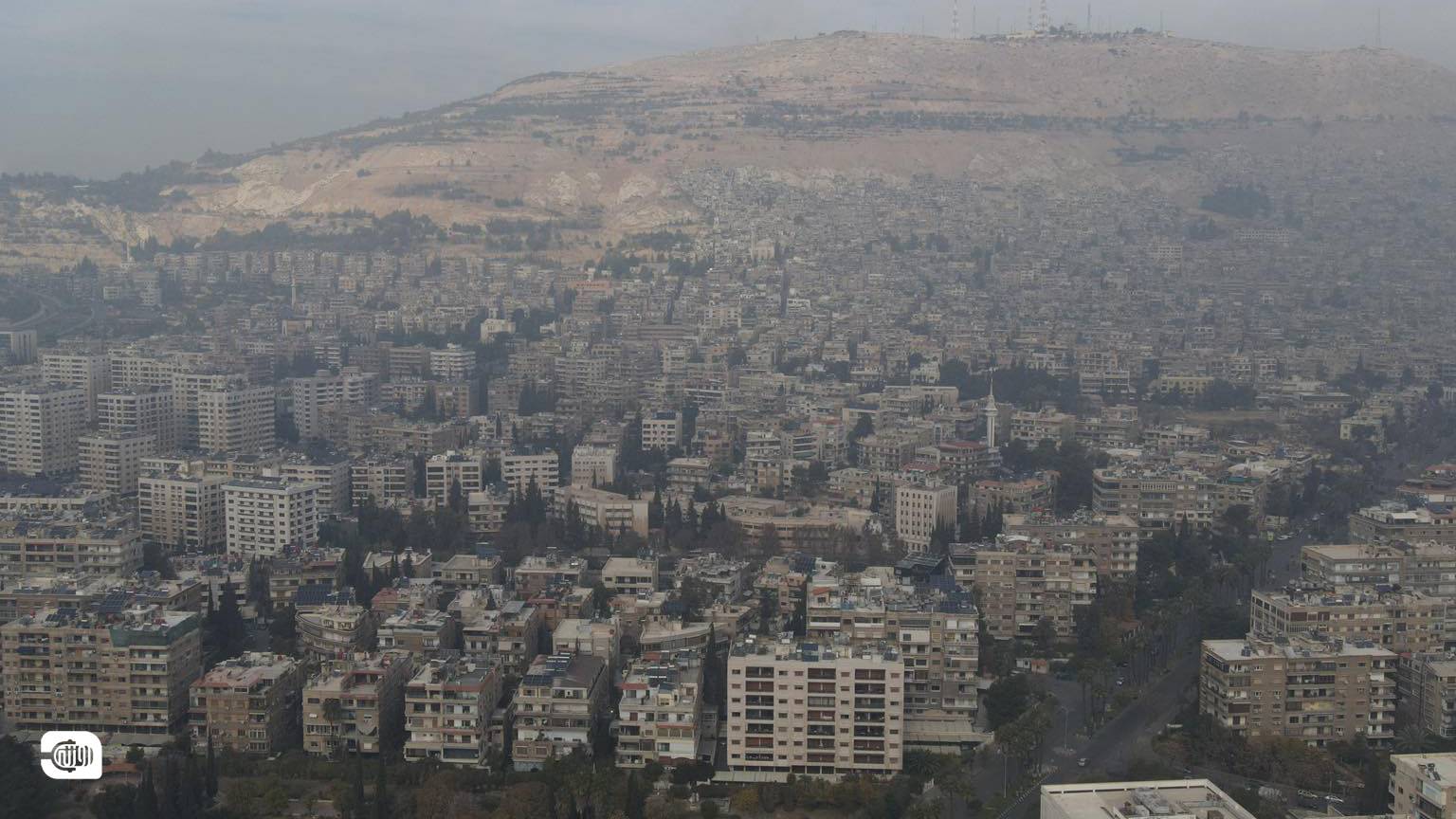
Dollarization has also reached the housing market. In some Damascus neighborhoods, including al-Muhajireen, rents are increasingly set and collected in U.S. dollars.
Abu Hassan, a father of four, was forced to leave his rented apartment after the landlord demanded rent in dollars. “I used to pay three million pounds a month,” he said. “But as the pound lost value, the landlord insisted on $350 instead.” Unable to afford the increase, the family moved out in search of cheaper options.
Wages Lag Far Behind
Following the most recent public-sector wage increase in June, entry-level salaries range from about $75 per month for lower-grade employees to roughly $100 for top-tier positions.
Even so, living conditions remain dire. According to a study by economist Karam Shaar, wages barely cover one-third of the basic food basket for an average family. By September, the minimum wage—750,000 Syrian pounds—covered only 34 percent of basic needs, up from just 10 percent before the raise.
Market indicators and World Food Programme data show that Syria’s minimum expenditure basket rose by 6 percent in August 2025 (to about two million pounds), followed by another 7 percent increase in September (2.2 million pounds). The rise is largely attributed to exchange-rate volatility, which has stripped families of purchasing power amid dollar-based pricing and stagnant incomes.
While the Central Bank has pegged the official exchange rate at 11,000 pounds per dollar, the parallel market fluctuates between 11,650 and 11,700—down from nearly 12,000 just a week earlier. These swings translate directly into rising prices and mounting household pressure.
Why Traders Prefer the Dollar
“We don’t price in dollars because we like it,” several shop owners in Damascus’s Mezzeh district told Rozana. Yahya, who owns a grocery store, said dollar pricing is a survival strategy.
“With the pound fluctuating constantly, this is the only way to protect my savings and keep my business running,” he said. Goods are paid for in pounds based on the parallel market rate. “If I price only in pounds, I lose money and shut down.”
He explained that merchandise purchased at one exchange rate may not sell immediately, forcing him to reprice goods repeatedly as the pound weakens.
This logic now extends beyond groceries. Furniture sellers—and even homeowners—are increasingly demanding dollars. Diaa, for example, purchased an apartment in Mezzeh 86 under a contract denominated in pounds but paid the full amount in U.S. dollars.
A Monetary Imbalance
Abu Dast describes the situation as a profound monetary imbalance. Goods are priced in a currency most Syrians do not earn, meaning purchasing power is effectively measured in foreign terms.
“The widespread adoption of the dollar reflects a collapse in trust in the Syrian pound,” he said, warning that unchecked dollarization could worsen inflation unless backed by coherent exchange-rate and monetary policies.
“There must be clear financial tools and policies to support the local currency and reduce total dependence on the dollar,” he added.
Dollarization is not unique to Syria. Countries with collapsing economies—such as Lebanon and Iraq—have used it as a tool to stabilize prices and rein in inflation. But in Syria’s case, there is no official government adoption of dollarization. The Syrian pound remains the country’s sole legal tender, even as daily life increasingly tells a different story.